In short
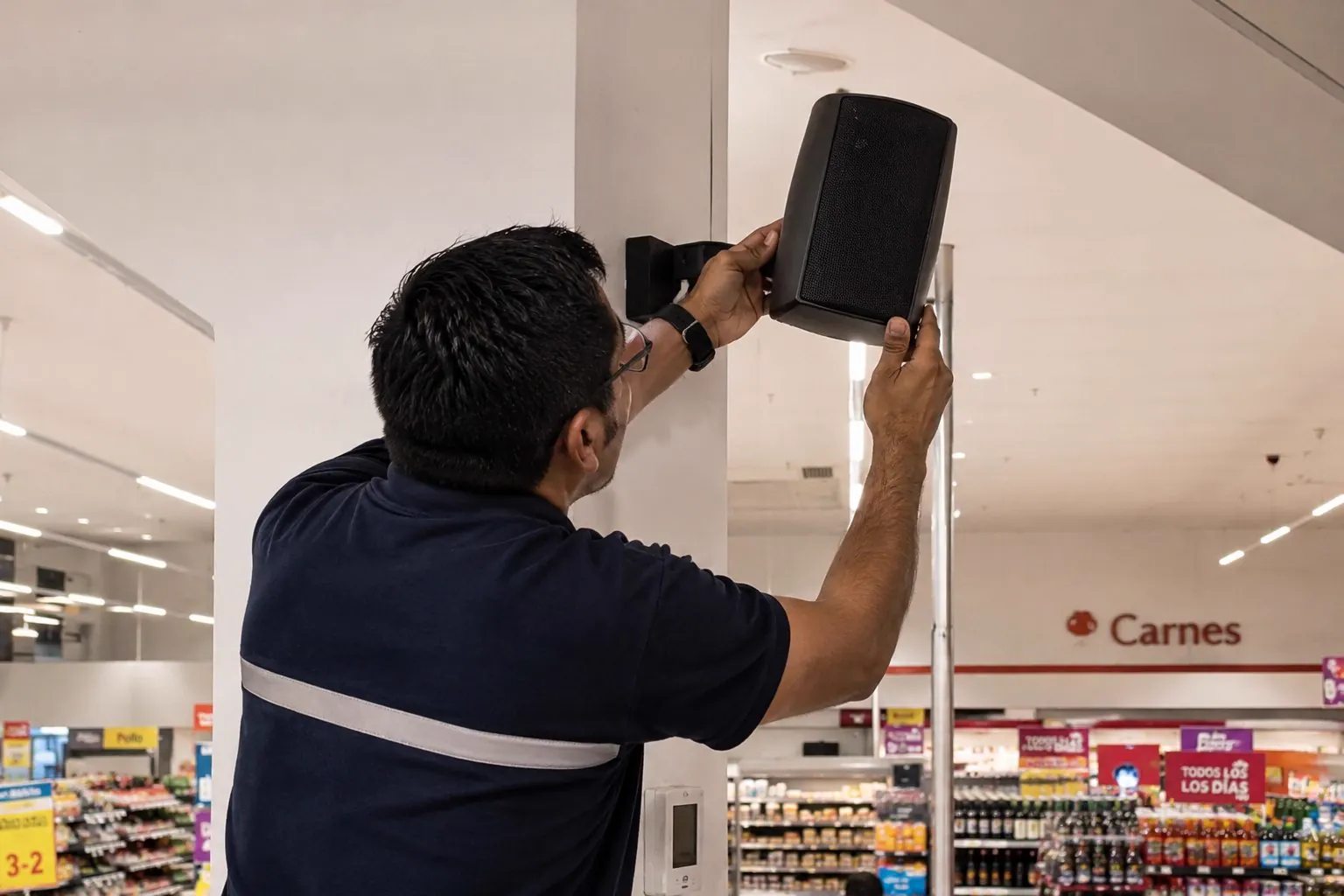
What sells most isn't a genre: it's music that fits your brand and the customer who's buying, not the taste of whoever's working the counter. If you want shoppers to browse slowly and stay longer, relaxed tempos work best; if you need more movement and turnover, go with a more energetic selection. Keep the volume right, supporting without competing, and make sure it's licensed for commercial use, like GeoVENN background music.
Many businesses see music as mere background. Something you put on to avoid silence, and that's it. The reality, though, is that music has far more influence than most people imagine.
Think about the last time you walked into a store and ended up browsing more aisles than you'd planned. Or that restaurant where you lingered a while after finishing your meal. It probably wasn't just the products or the food. The atmosphere played a big part too, and within that atmosphere, music is often one of the most influential factors.
The question isn't whether you should play music in your business. The question is what music you're playing, and whether it's helping or hurting your customers' experience.
Can music really boost sales?
Yes. And it's not just a theory. For decades, studies have found that music can change three things:
- How fast people move through a store.
- How long they stay.
- How much money they end up spending.
One of the best-known studies tracked shopper behavior in a supermarket and found that when the music was slower, people moved through the store in less of a hurry, spent more time shopping, and sales rose significantly. Later research has reached similar conclusions: when the music fits the type of business and the customers who walk in, the experience improves, and that usually translates into more time in the store and more chances to buy.

The reason is simple. Music sets the pace of the experience. It shapes how people feel when they walk in, the energy they pick up on, and how fast they move through the space.
So what kind of music works best?
The short answer: it depends on the business. There's no one-size-fits-all playlist. What sells in a gym can be a disaster in a coffee shop. What works in a boutique can feel completely out of place in a pharmacy.
That's why, before thinking about specific songs, it pays to think about the behavior you want to encourage:
Want them to stay longer?
If you want people to spend more time browsing your store, relaxed, easygoing rhythms that invite exploring usually work best.
Need more movement?
If you need more movement and turnover, a higher-energy selection can help keep traffic flowing.
The key is understanding that music is guiding your customers' behavior even when no one is consciously paying attention to it.
The mistake many businesses make
Most of the time, the music is picked based on the personal taste of the owner or whoever opened the store that day. It may seem harmless, but it's usually a mistake.
Music shouldn't be chosen for the people working. It should be chosen for the people buying.
A family-oriented store shouldn't sound like a trendy boutique. A hotel shouldn't feel like a hardware store. Every business has its own personality, and the music should reinforce it.
When the soundscape matches the brand, customers feel they're in the right place. When it doesn't, something feels off, even if they can't quite say what.
More important than genre: fit
A lot of people ask whether they should play pop, rock, regional Mexican, electronic, or instrumental music. The truth is, no genre sells on its own.
What really matters is that the music makes sense for your brand, your product, and the customers you want to attract. A good music selection conveys personality, professionalism, and consistency. It makes the business feel more polished and creates a more pleasant experience for shoppers.
And what about volume?
This is another place where many businesses get it wrong.
The ideal volume supports the experience without competing with it. Your customers should be able to talk normally while the music remains part of the atmosphere.
What would you recommend for my type of business?
As a general rule, with a sample from our catalog so you can hear it:

Familiar, easy-listening music for long shopping trips.
Sample: Latin Sunshine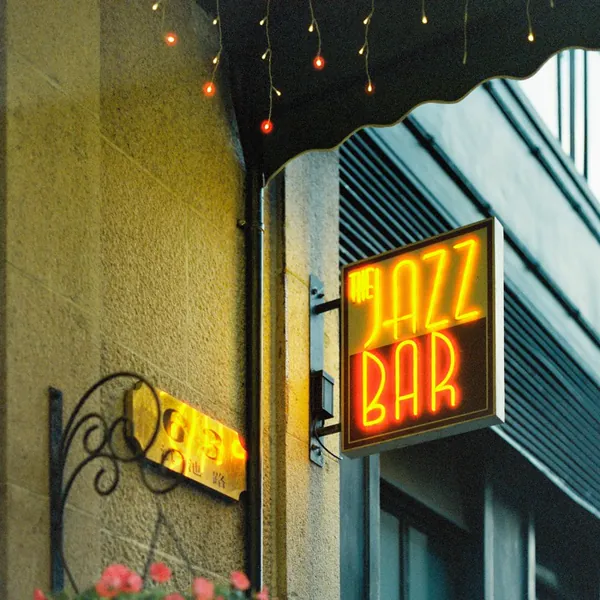
Warmer, more relaxed vibes.
Sample: Smooth Jazz
It depends a lot on the brand's personality.
Sample: Evening Lounge
Higher energy levels to keep pace with the workout.
Sample: Pop After Dark
That said, the best strategies rarely come from a generic playlist. The right music depends on your customers, your hours, and the atmosphere you want to build. That's why we create playlists by industry and time of day.
The detail almost no one considers
Choosing the right music isn't just a marketing issue. It's also a legal issue.
Many businesses still use Spotify, YouTube, or radio stations as their main music source without realizing those options can lead to licensing and royalty problems. That's why the best strategy always combines two things:
(We cover it in depth in Can I use Spotify or YouTube in my business?)
In a nutshell
Music influences how long your customers stay, how they see your business, and how they experience shopping. It's not a decorative detail. It's a communication tool that's working every single day, whether you notice it or not.
At GeoVENN, we design music environments for every type of business, using music licensed for commercial use and legally backed. So your store doesn't just sound better: it also works in favor of your sales. Explore our background music for business.
We design your business's soundscape so customers stay longer and buy more, with the Legal Shield included. Try it free for 21 days at 2 locations.
Frequently asked questions
What music genre sells the most in a store?
No genre sells on its own. What matters is that the music fits your brand, your products and the kind of customer you want to attract.
Is slow or fast music better?
It depends on the behavior you want. Relaxed tempos invite people to browse at an easy pace and stay longer; a classic supermarket study found that with slower music, people shopped less hurriedly and sales went up. If you need turnover, a more energetic selection helps keep traffic moving.
How loud should the music be in my business?
Loud enough to set the mood without competing: your customers should be able to talk normally while the music stays part of the atmosphere.
Can I play the music my employees like?
That's the most common mistake. Music should be chosen with the shopper in mind, not the staff.
Sources
- Forbes — Does Playing Music Increase Sales? The Power of Music in Retail
- Ronald E. Milliman (1982), Journal of Marketing — Using Background Music to Affect the Behavior of Supermarket Shoppers
- EMAC 2025 — Background Music in Retail: When taking it slow may benefit you
The figures and findings cited come from published studies; results vary by type of business, location, and customer profile. Use them as a guide, not a guarantee.