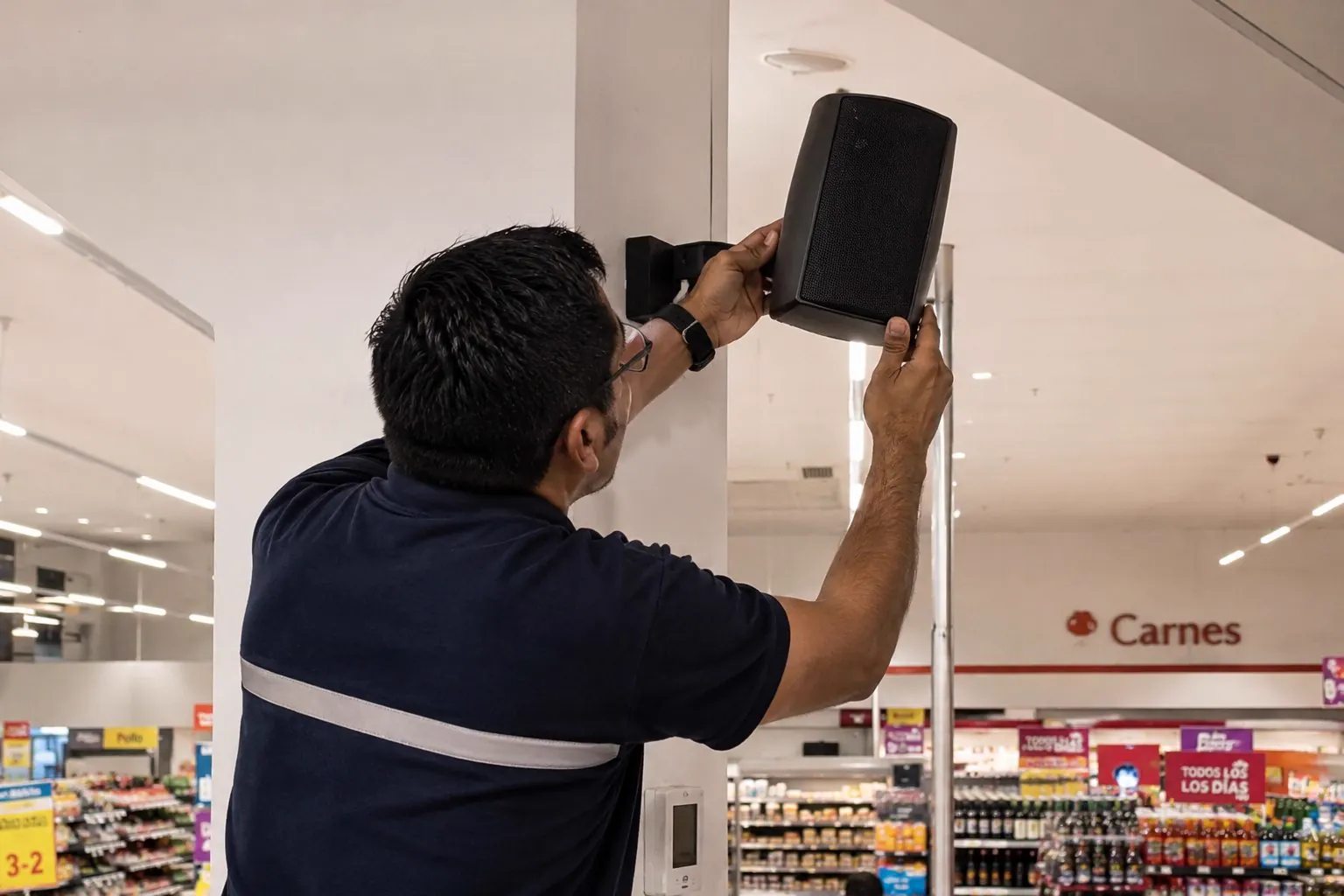
In short
To get started with in-store audio ads: set one goal per spot, keep it short (10 to 20 seconds) with a hook, a benefit and a single call to action, schedule it without overdoing it during your busiest hours, and measure it against your sales. You need three pieces: equipment that sounds even, a scheduling platform, and production with a professional voice. At GeoVENN we bring all three together in in-store ads.
You invest in social media, in flyers, maybe even a billboard, all to get people into your store. But once they're finally inside, what do you tell them? For most businesses, nothing. And that's exactly the moment an audio ad works its magic.
In-store advertising talks to your customers at the point of sale: not to someone who might buy someday, but to someone who already decided to walk in. It's the right message, in the right place, at the right second.
Why it works (by the numbers)
In-store audio isn't filler: it shapes what people buy. Some recent data:
of consumers who remember hearing an in-store audio ad end up making a purchase, and about 60% say they'll consider that product in the future.
IAB Canadaof shoppers say in-store audio often prompts them to look for and consider a product.
Path to Purchase Instituteof shoppers, roughly, say in-store advertising influences their buying decisions.
What that means for your business: a good ad doesn't just get heard, it drives sales, especially for limited-time promotions, new products and high-margin items.
And the effect doesn't stop at the door: businesses using in-store audio report more coupon and promo-code redemptions, better conversions during limited-time offers, and brand recall that lasts well beyond the moment the ad played. It's advertising that works inside your store and keeps working afterward.
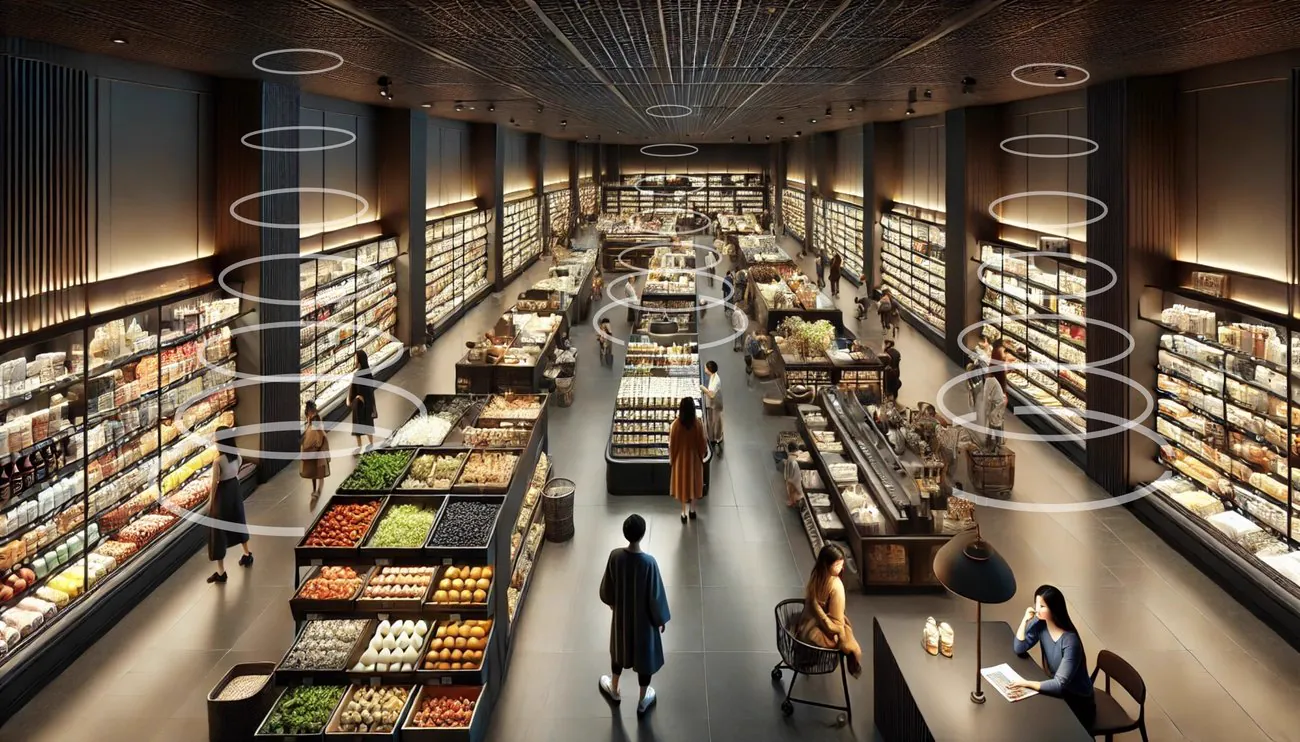
The unfair advantage of in-store advertising: unlike radio or social media, you're not chasing people or competing for their attention on their phones. You're talking to someone who's already standing in front of your product.
What can you advertise?
More than you think. A few ideas that work:
- Promotions and daily deals: “today only,” BOGO, seasonal discounts.
- New or high-margin products you want to push this week.
- Loyalty programs, your app or your card: invite shoppers to sign up on the spot.
- Services and reminders: store hours, home delivery, warranties.
- Your own brand: reinforce who you are and why shoppers should come back.
And if you get heavy foot traffic, you can go a step further: sell audio spots to your suppliers. That's retail media, and it's a revenue stream many chains are already tapping.
“Isn't this just for the big chains?”
It's the most common question, and the answer is no. A supermarket with thousands of visitors a day uses audio at scale, but a single store wins too, maybe even more, because every customer counts double.
None of them needs a national-chain budget: they need a clear message and a system that plays it at the right moment.
Best of all, the same equipment you already use for background music works for ads. It's not a separate investment: it's getting more out of something your business should ideally already have playing.
How to get started in 4 steps
- Set one goal per spot. One ad, one goal: move a product, fill a slow hour, drive sign-ups. Without a goal, it's just noise.
- Keep it short and clear. The best spots run 10 to 20 seconds: a hook, a benefit and one call to action. Try to say everything and you end up saying nothing.
- Schedule it wisely. Decide how often it plays and at what times, without overdoing it. An ad that repeats too much gets tiresome, even annoying; better a few plays, well placed, during your busiest hours.
- Measure and adjust. Compare your ads against sales and promo redemptions. Repeat what works; change what doesn't.
The mistakes that ruin a good ad
- Overplaying: the same spot every three minutes turns your store into a shouting match.
- Endless spots: nobody listens to 45 seconds of fine print.
- Poor audio quality: a distorted voice or badly calibrated volume takes away from your brand.
- Fighting the music: the ad and the ambiance should coexist, not compete. The transition between song and spot matters.
The golden rule
One goal, one message, one call to action, well produced and never overplayed. One clear ad at just the right moment is worth more than ten repeated at full blast.
What you need to do it right
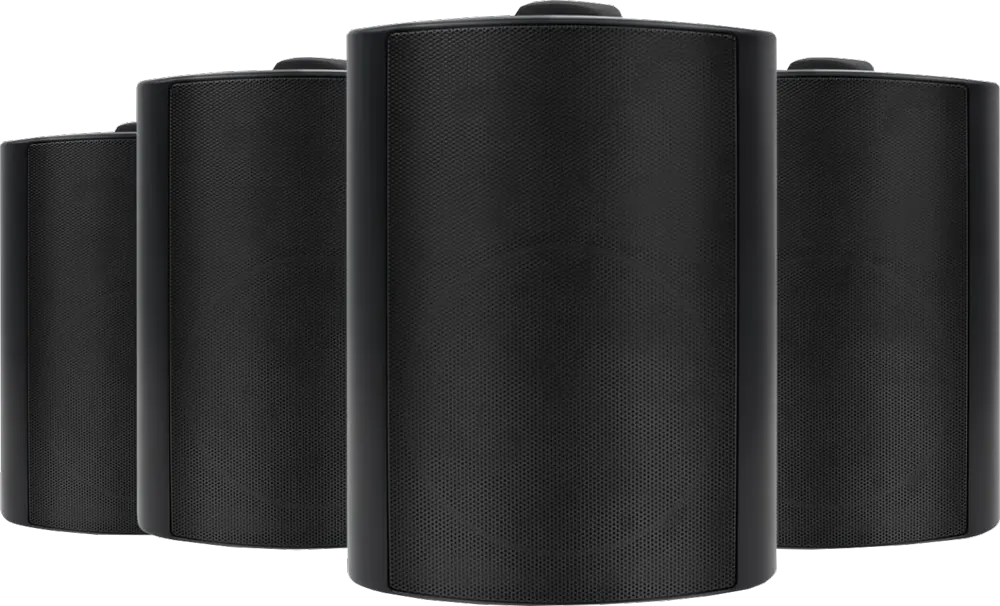
Equipment
Even sound throughout your store.
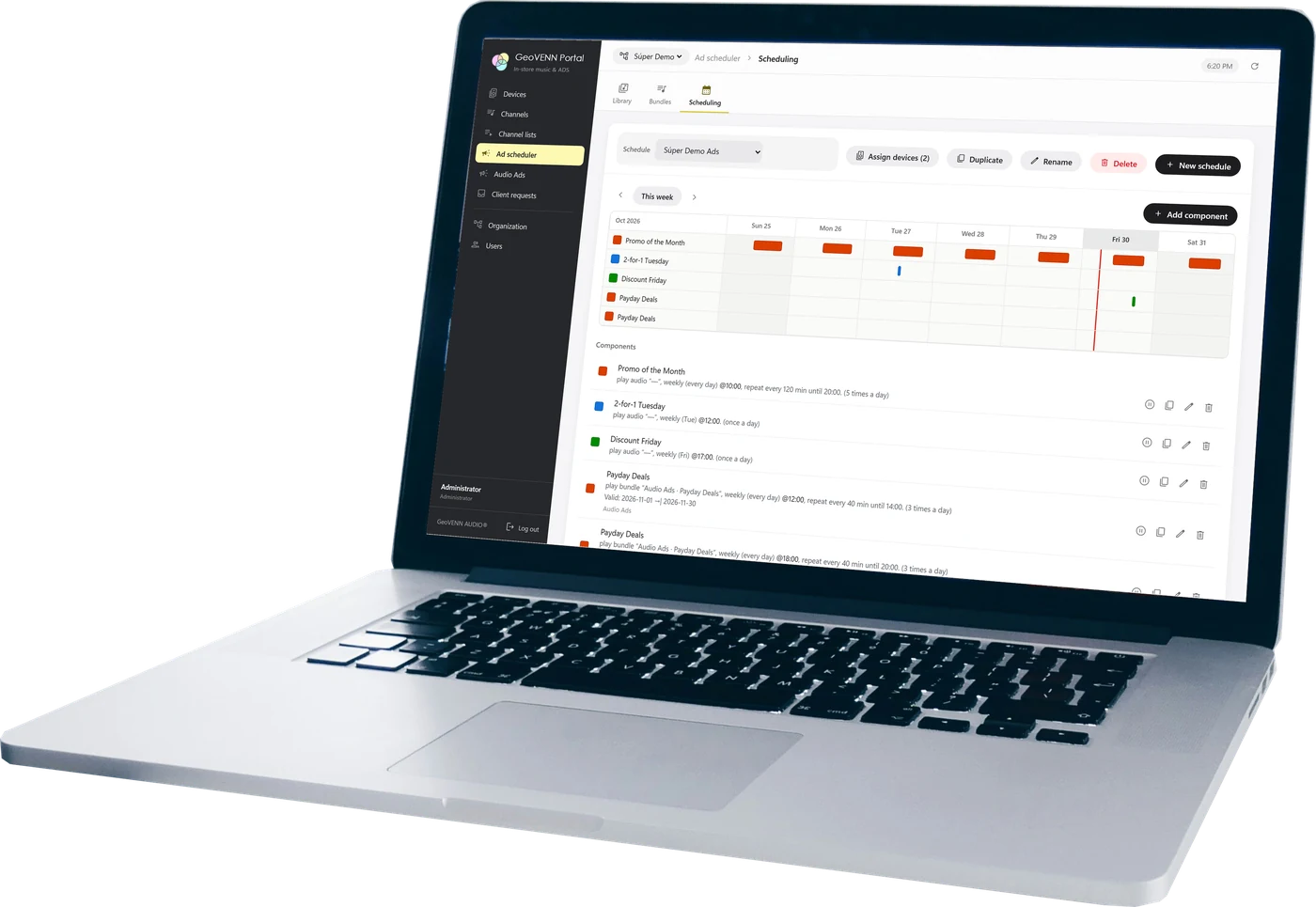
Platform
To schedule what plays and when.
Production
Script and professional voice for every spot.
At GeoVENN we bring all three together: we produce your ads, mix them in with your background music and schedule them by time slot from a single platform, so your promotion plays right when the customer is standing in front of the product. See how it works in In-store ads.
Here's how GeoVENN-produced ads sound, playing today in real stores:

Aguilar's Meat Market
Meat market.
We produce, schedule and play your ads alongside your music, with Legal Shield included. Try it free for 21 days at 2 locations.
Frequently asked questions
How long should an in-store audio ad be?
The best spots run 10 to 20 seconds: a hook, a benefit and a single call to action.
How often should an ad play?
Don't overdo it: fewer plays, well placed during peak hours, work best. The same spot every three minutes wears people out and can even annoy them.
Do in-store ads work for a single location?
Yes. A single store wins too, because every customer counts. And the same equipment that plays your background music handles the ads, so it's not a separate investment.
What do I need to run ads in my store?
Three pieces: equipment that sounds even throughout the store, a platform to schedule what plays and when, and spot production with a script and a professional voice.
Sources
- IAB Canada — Harmonizing Retail Media: The Impact of In-Store Audio Advertising
- Path to Purchase Institute — Research Shows Why Store Audio Marketing Generates Results
- Stingray — The Rising Power of In-Store Audio in Retail Media
- Vibenomics — How In-Store Advertising Drives Consumer Decisions
The figures cited come from published studies and analyses; results vary by type of business, message and execution. Use them as a reference, not a guarantee.